
How Plant and Garden Stores Can Increase Order Values with Smart Cart Features
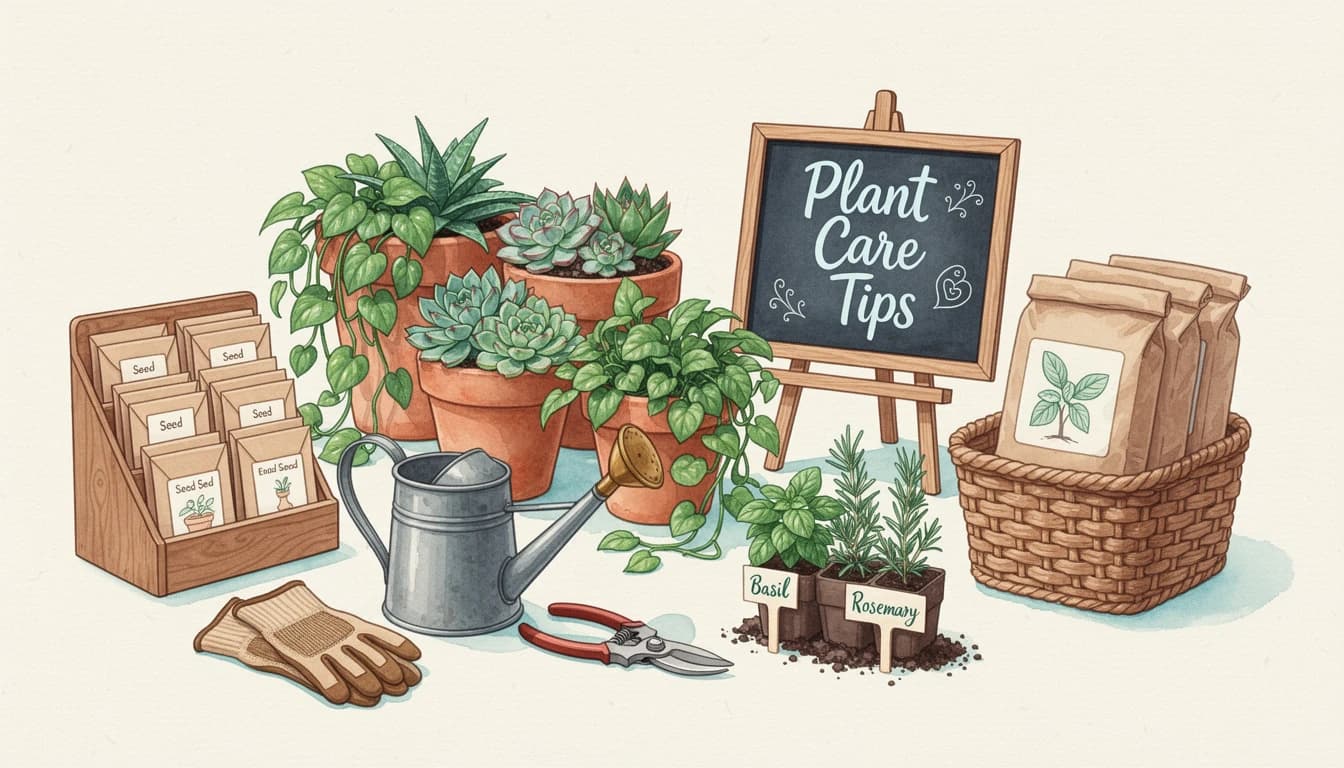
The online plant and garden market is growing fast. Depending on the research firm, the global online plant nursery market was valued at anywhere from $4 billion to $14 billion in 2025, with online channels growing at roughly 8% annually - well ahead of brick-and-mortar garden centers. For Shopify store owners selling plants, the opportunity is clear: more customers are buying online, and smart cart features can help you increase order values by guiding shoppers toward the right products.
What makes plant stores different from other e-commerce categories is the care relationship. A customer who buys a fiddle leaf fig also needs the right pot, soil, and fertilizer. They're not just buying a product - they're starting a project. That mindset makes the cart an ideal place to suggest everything they'll need to succeed.
Upsell Care Accessories Alongside Plants
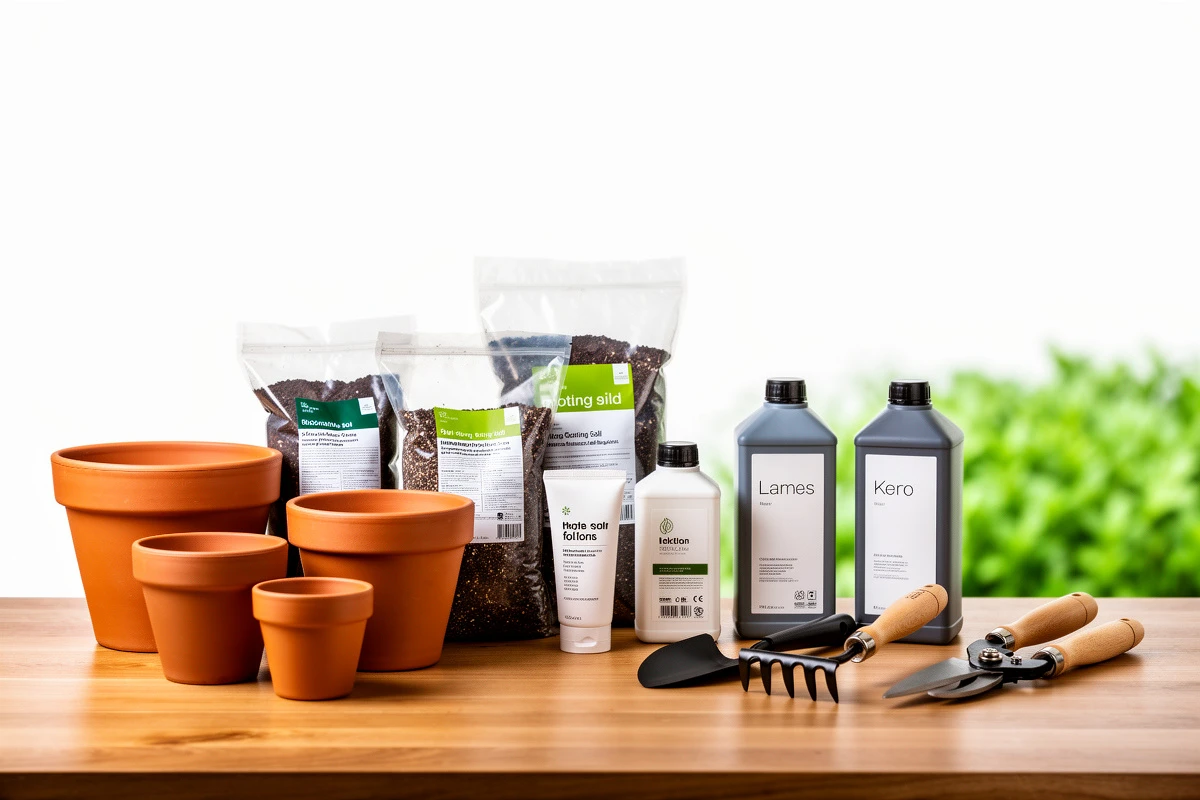
The strongest upsell opportunity for plant stores is care accessories. When someone adds a monstera to their cart, they likely need a pot, potting mix, and eventually plant food. These aren't aggressive cross-sells - they're genuinely helpful suggestions that prevent the "I forgot the soil" moment.
Build Upsell Flows Around Plant Categories
Rather than showing random bestsellers, create upsell flows that match accessories to the type of plant in the cart:
- Tropical plants (monstera, pothos, ferns) → suggest humidity trays, peat-based potting mix, and liquid fertilizer
- Succulents and cacti → suggest well-draining soil, shallow planters, and grow lights
- Outdoor garden plants → suggest raised bed soil, organic fertilizer, and garden gloves
- Herb kits → suggest herb planters, plant markers, and indoor grow light strips
This approach mirrors how a knowledgeable garden center employee would guide a customer. Someone buying their first orchid benefits from seeing orchid bark mix and a clear nursery pot - not a random bag of all-purpose soil.
Choosing the Right Display
Plant accessories are visual products - customers want to see the pot style, soil packaging, and tool design before adding them. A Gallery of 3 upsell display works well here, showing product images in a clean grid that lets shoppers scan options quickly. For stores with larger accessory catalogs, the Carousel format lets customers scroll through more options without taking up excessive cart space.
Set up upsell flows through your dashboard under Upsells, with triggers based on specific products or collections. If you're using EliteCart, AI-powered recommendations can also fill gaps when no manual flow matches - surfacing accessories that other plant buyers frequently purchase together.
Use Seasonal Banners to Drive Timely Purchases
Plant stores are inherently seasonal. Spring planting season, fall garden prep, and indoor plant care during winter all create natural moments for targeted messaging in the cart.
Seasonal Banner Ideas for Plant Stores
An announcement banner at the top of your cart can highlight time-sensitive information that encourages customers to add more:
- Spring: "Spring planting season is here - shop starter kits before they sell out"
- Summer: "Beat the heat - add moisture-retaining soil to protect your plants"
- Fall: "Prep your garden for winter - bulbs and mulch ship free this week"
- Winter: "Indoor plant care essentials - grow lights and humidifiers on sale"
These messages work because they're genuinely useful. A customer buying a new houseplant in January might not have considered that their apartment's dry winter air will stress the plant. A banner reminding them to grab a humidity tray feels helpful, not pushy.
Scheduling Banners Automatically
Rather than manually toggling banners on and off, use scheduling to automate seasonal messaging. Set date ranges for each campaign so your spring planting banner runs from March through May, your fall prep banner activates in September, and your winter care message appears from November through February. Configure this through Cart Designer → Announcement Banner → Advanced → Schedule.
You can also add a countdown timer to create gentle urgency for limited-time seasonal offers. A message like "Spring sale ends in {countdown}" paired with a 48-hour timer encourages customers to complete their order during the promotion window.
Prompt Plant Food Subscriptions in the Cart
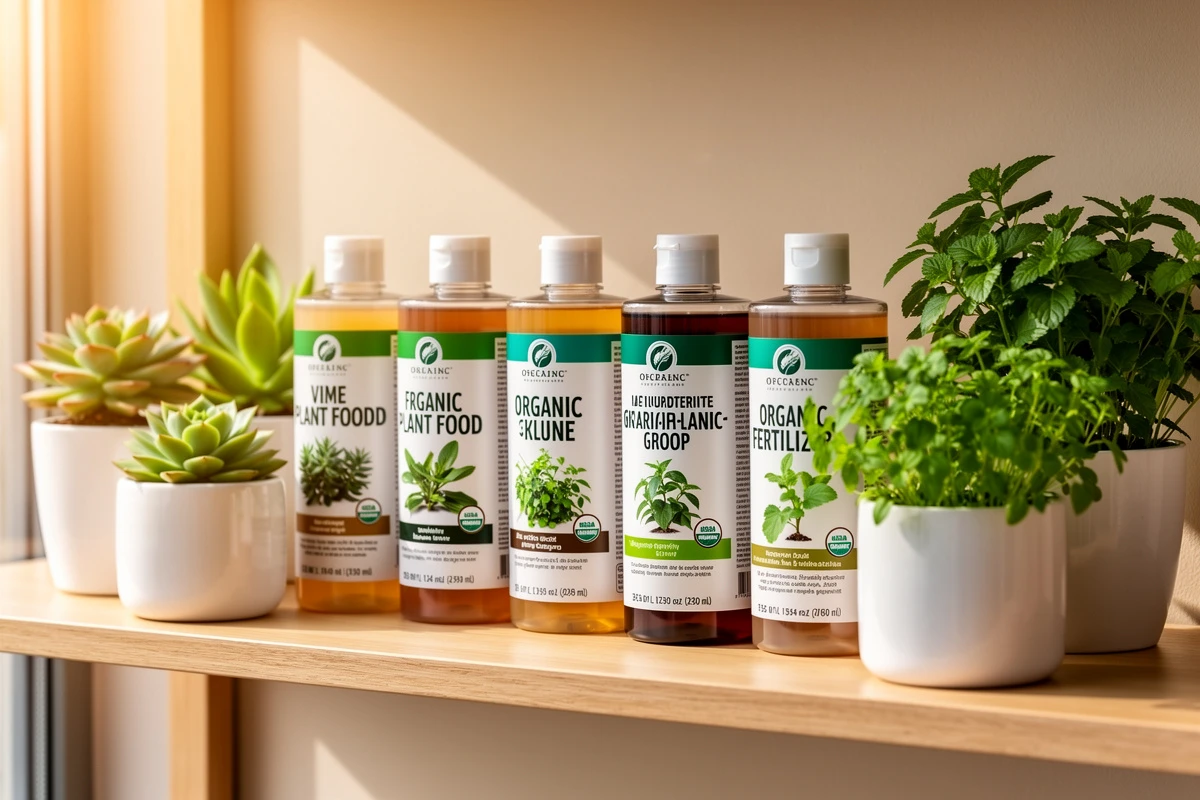
Plant food and fertilizer are classic consumable products - they run out on a predictable schedule. The average American homeowner now spends roughly $172 annually on flora, and a significant portion goes toward recurring purchases like fertilizer, soil amendments, and pest treatments. This makes plant food an ideal candidate for subscription upselling.
Why the Cart Is the Right Place for Subscription Offers
Customers browsing your product pages are still deciding what to buy. By the time they reach the cart, they've committed to a purchase and are thinking about logistics. A "Subscribe & Save 10%" offer on plant food fits naturally into that mindset - it's an optimization of a purchase they've already decided to make.
For a deeper look at this approach, see our guide on converting one-time buyers to subscribers.
Subscription-Friendly Plant Products
Not every product in your catalog makes sense as a subscription. Focus on items with predictable consumption:
- Liquid plant food - most indoor plant owners fertilize monthly during growing season
- Pest prevention sprays - regular application schedules make these natural subscription candidates
- Potting soil - serious gardeners go through bags regularly, especially during repotting season
- Seed starter supplies - seasonal gardeners need fresh supplies each spring
If you're using EliteCart with a subscription app like Recharge or Shopify Subscriptions, enable subscription upgrades through Cart Designer → Subscription Upgrades. Customize the button text through Language & Translations - something like "Never run out - subscribe and save" works well for plant care consumables.
Set Up a Reward Bar Tied to Free Planter Thresholds
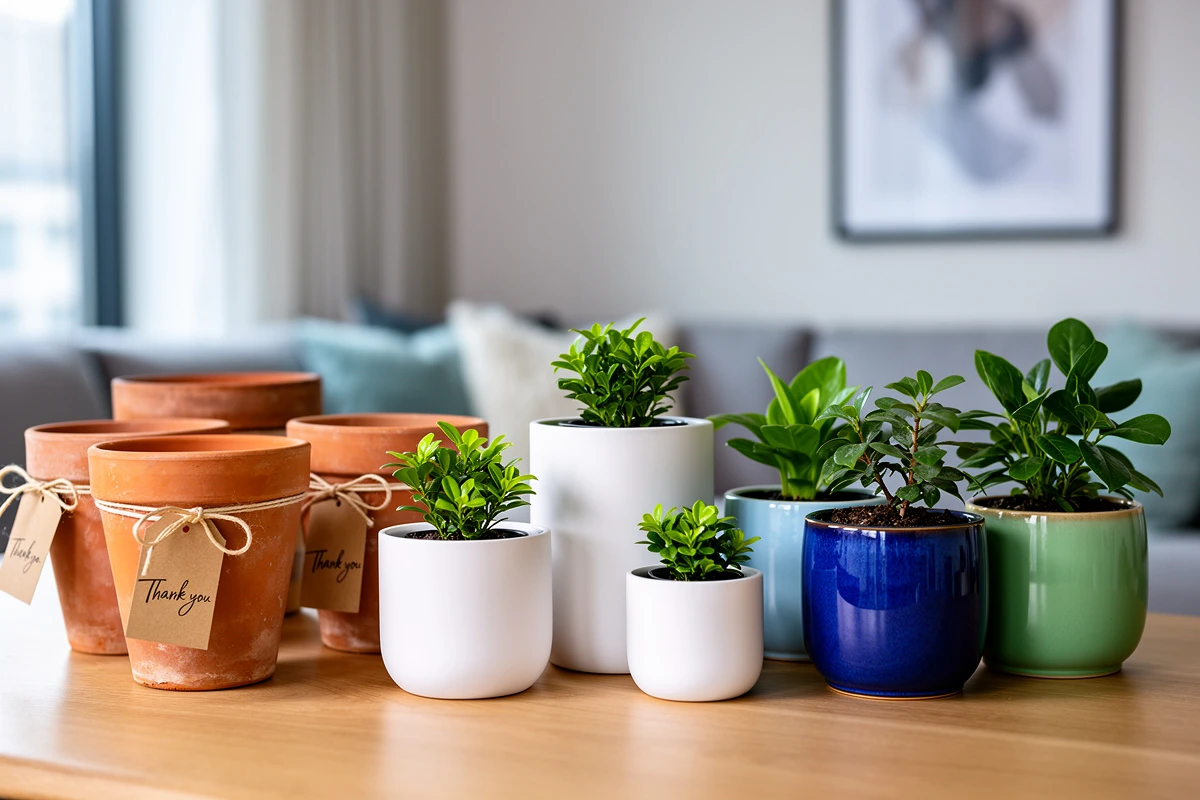
A reward bar showing progress toward a free planter is particularly effective for plant stores. Planters have high perceived value - customers see a $25 ceramic pot as a meaningful reward - but the production cost for stores ordering wholesale is often a fraction of the retail price.
Designing Reward Tiers for Plant Stores
A three-tier reward structure creates multiple incentives for customers to increase their cart value:
- Tier 1 ($40): Free shipping - removes the biggest objection for heavy items like soil and pots
- Tier 2 ($75): Free plant food sample or seed packet - low cost, introduces a new product
- Tier 3 ($120): Free decorative planter - a high-perceived-value reward that encourages significant cart increases
This progression works because each tier feels reachable. A customer with a $55 cart (one plant plus soil) sees they're $20 from a free plant food sample and one more plant away from a free planter. That third plant suddenly feels justified.
Choosing the Right Free Gift
The best free planter gifts for reward bars share a few characteristics:
- Visually appealing - customers should want to show them off
- Moderate wholesale cost - aim for a gift that costs you $5-8 but retails for $20-30
- Universal size - a 4-6 inch pot works for most common houseplants
- On-brand - the planter should match your store's aesthetic (minimalist, rustic, colorful)
Configure reward tiers through Cart Designer → Rewards & Free Shipping, where you can set up to three rewards with different types and thresholds. For the planter gift, use the "Product" reward type to automatically add the planter when customers hit the threshold, or "Multi product" to let customers choose between a few planter styles.
For detailed setup instructions, see our help article on setting up the reward bar.
Combine These Smart Cart Features for Higher Order Values
The most effective cart strategy for plant and garden stores layers these approaches:
- Upsells suggest care accessories matched to the specific plants in the cart
- Banners highlight seasonal relevance and time-sensitive offers
- Subscription prompts convert one-time fertilizer buyers into recurring customers
- Reward tiers motivate spending increases with free planters as the anchor reward
A customer buying a $30 monstera might see a matching pot and soil mix as upsells, notice a seasonal banner about spring planting, and realize they're $10 away from free shipping. That single plant purchase becomes a $65 order - and if they subscribe to plant food, you've also secured recurring revenue.
Start with upsell flows. They're the highest-impact feature for plant stores because the accessory pairing is so natural. Once those are performing, add a reward bar with a planter threshold and seasonal banners. Layer in subscription prompts for your consumable products last, after you've established the purchase patterns that make subscriptions feel convenient rather than pushy.