
In-Cart Upsell Strategies for Food and Beverage Brands
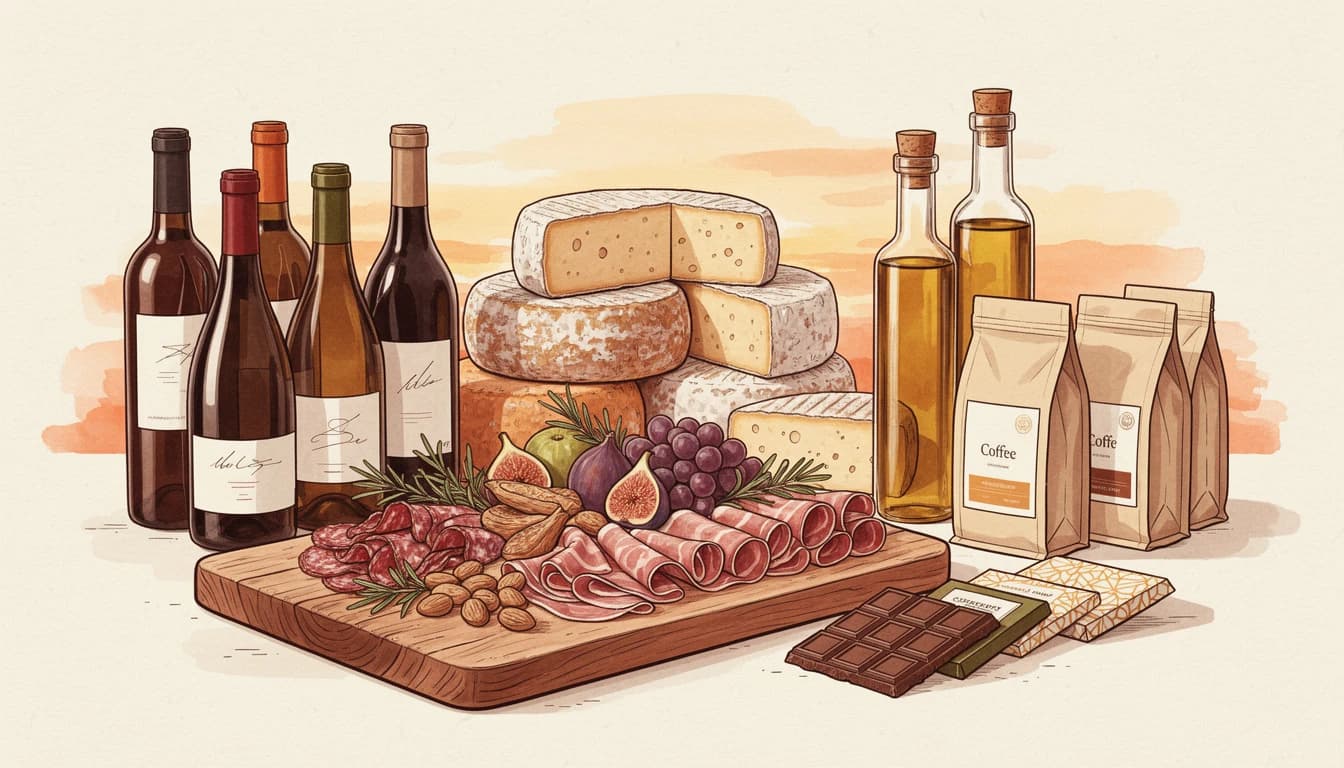
Food and beverage e-commerce continues strong double-digit growth, with online grocery now capturing roughly 15% of total grocery sales in the U.S. and projected to approach 20% by the end of the decade. For F&B brands selling direct-to-consumer, this growth creates a significant opportunity: customers who buy consumable products are primed for upsells because they already expect to buy complementary items and replenish regularly.
The F&B category holds a distinct advantage for in-cart upsells. Unlike apparel or electronics, food products have natural pairing logic that customers already understand. Wine goes with cheese. Coffee goes with mugs. Spices go with recipe ingredients. These connections make upsell offers feel helpful rather than pushy.
Why Food and Beverage Customers Respond to Cart Upsells
In-cart upsell strategies work particularly well for food and beverage brands for three reasons:
Consumables need replenishment. A customer buying coffee beans will need more coffee beans. A customer buying hot sauce will run out. This predictable consumption pattern makes subscription upsells and bulk offers compelling rather than presumptuous.
Pairings are intuitive. Food products have established pairing traditions. When someone adds a bottle of wine to their cart, suggesting cheese feels natural. When someone buys loose-leaf tea, offering a teapot isn't a stretch. These pairings reflect how customers already think about food.
Lower price points reduce friction. Food and beverage upsells are often $10-30 additions to a cart, not $200 upgrades. This lower commitment threshold means customers are more likely to say yes on impulse.
The F&B category also benefits from strong repeat purchase patterns. According to research, grocery and food delivery leads all e-commerce categories with 40% of customers ordering weekly. This frequency creates multiple opportunities to test and refine your upsell strategy.
Strategy 1: Complementary Product Pairing
The most natural in-cart upsell strategy for F&B brands is suggesting products that complement what's already in the cart - mirroring how grocery stores place crackers near cheese or limes near tequila.
Wine and Cheese: The Classic Pairing
Wine retailers understand that customers purchasing wine are often planning an occasion. The wine is rarely consumed alone, creating an opening for cheese boards, crackers, charcuterie accessories, and preserved items like olives or nuts.
The key is specificity. "Complete your wine night" with a generic cheese assortment is weaker than "This Cabernet pairs perfectly with aged cheddar - add our Cave-Aged Cheddar Board ($18)." The more precise the recommendation, the more it feels like expertise rather than sales.
Coffee and Accessories
Coffee brands have natural upsell opportunities across multiple product categories:
- Equipment: Grinders, pour-over devices, travel mugs, storage canisters
- Consumables: Filters, cleaning tablets, flavor syrups
- Complementary foods: Biscotti, chocolate, breakfast pastries
A customer buying premium single-origin beans is demonstrating an interest in quality. Suggesting a burr grinder or a Chemex pour-over speaks to that same sensibility. Meanwhile, a customer buying everyday breakfast blend might respond better to flavored syrups or discount on a larger bag.
Building Effective Pairing Flows
When setting up complementary product upsells, consider trigger specificity. Rather than showing the same upsells to everyone, create flows that match specific cart contents:
- Trigger: Customer adds red wine → Show: Cheese selections, charcuterie boards
- Trigger: Customer adds white wine → Show: Seafood accompaniments, lighter appetizers
- Trigger: Customer adds espresso beans → Show: Espresso cups, tampers, milk frothers
- Trigger: Customer adds tea → Show: Teaware, honey, biscuits
This targeted approach increases relevance. AI-powered recommendations can help identify which pairings convert best based on actual purchase patterns from your store. You can also offer a small discount on upsell items to increase take rates without heavy discounting.
Strategy 2: Subscription Upsells for Consumables
Consumable products create a natural subscription opportunity. Customers know they'll need more. The only question is whether they'll remember to reorder or let the need slip away.
Presenting a subscription upgrade in the cart captures customers at peak purchase intent. They've already decided to buy. Converting that one-time purchase to a recurring order is the logical next step.
Why Cart-Based Subscription Offers Convert
The cart is where commitment meets opportunity. On the product page, customers are still evaluating. In the cart, they've decided to buy - now they're optimizing their purchase.
A subscribe-and-save prompt in the cart reframes the offer from "commit to recurring purchases" to "get a better deal on what you're already buying." That framing shift matters. McKinsey research found that 65% of consumers who consider subscribe-and-save offerings end up joining - the highest conversion rate among all subscription models.
For F&B brands, subscription offers work especially well because:
- Consumption is predictable. A bag of coffee lasts roughly the same time each month. Customers can estimate their needs.
- Savings are tangible. 10-15% off a product they'll buy anyway is money in their pocket.
- Convenience is real. Not having to remember to reorder eliminates friction.
Best Products for Subscription Upsells
Not every product in your catalog makes sense for subscription. Focus on:
- Daily consumables: Coffee, tea, vitamins, breakfast foods
- Pantry staples: Olive oil, spices, sauces, condiments
- Specialty items with loyal followings: Hot sauces, craft snacks, artisan goods
Products with irregular consumption patterns - specialty items bought for specific occasions - are weaker subscription candidates. A bottle of champagne bought for New Year's isn't needed monthly.
Subscription Offer Presentation
The cart subscription prompt should communicate value immediately. Show the discount percentage prominently and let customers adjust delivery frequency with a simple dropdown. For replenishment subscriptions, churn typically stays below 4% monthly - dramatically lower than the 10-12% monthly churn typical of curated subscription boxes.
Strategy 3: Gift-with-Purchase for First-Time Buyers
First-time customers represent both opportunity and risk. They're trying your brand for the first time, but they might not return. A gift-with-purchase offer can tip the scales toward a larger initial order while creating a positive first impression.
Why Free Gifts Work for F&B Brands
Free gifts drive spending more effectively than equivalent discounts. The psychology is simple: "free" eliminates the pain of paying entirely. A $10 discount feels nice. A free $10 product feels special.
For F&B brands, gift-with-purchase offers have additional advantages:
- Sampling opportunity: Give customers a taste of products they haven't tried
- Discovery driver: Introduce new product lines or seasonal items
- Perceived generosity: Food gifts feel hospitable - they suggest you want customers to enjoy themselves
Gift Ideas for F&B Stores
Effective gift products for food and beverage brands include:
- Sample sizes: Mini bottles of olive oil, single-serve coffee packets, snack portions
- Accessories: Recipe cards, tasting notes, storage containers
- Seasonal items: Limited-edition flavors, holiday-themed products
- Cross-category introductions: A hot sauce brand including a sample of their new salsa line
The best gifts have high perceived value but low actual cost. A beautiful sample kit that costs $4 to produce but looks like $15 in value hits the sweet spot.
Creating Memorable First Impressions
While gift-with-purchase works for all customers, tiered rewards are particularly effective at encouraging larger orders - especially valuable when you want to make a strong first impression. A visual reward bar showing progress toward the next gift tier motivates customers to add more items.
A tiered approach works well. Offer a small sample at $40, a full-size gift at $75, and a premium gift at $100. Each tier gives customers a reason to add more to their cart, and first-time buyers who receive a surprise gift are more likely to remember your brand and return.
Configure gift thresholds through Cart Designer → Rewards & free shipping, where you can set up to three reward tiers with different products and thresholds.
Implementation: Putting It All Together
Effective F&B upsell strategy combines all three approaches:
For returning customers: Focus on complementary pairings and subscription upgrades. These customers know your products and are ready for deeper engagement.
For first-time customers: Lead with gift-with-purchase to create a memorable first experience, then introduce subscriptions on subsequent visits.
For high-intent customers: Use AI recommendations to identify the highest-converting upsells based on cart contents and purchase history.
Testing and Optimization
Start with one strategy, measure results, then expand:
- Launch complementary product upsells for your top-selling items
- Track take rate (percentage of customers who add upsells)
- Calculate incremental revenue per cart
- Expand to more product triggers as you learn what converts
For subscription upsells, track both conversion rate and retention at 3, 6, and 12 months. High initial conversions mean nothing if customers cancel immediately.
For gift-with-purchase, monitor whether gift recipients return at higher rates than customers who didn't receive gifts. The goal isn't just a larger first order - it's lifetime value.
Food and beverage brands have natural advantages for in-cart upselling. Complementary pairings feel intuitive. Subscriptions match how customers actually consume products. And gifts create the hospitality that food brands do best. The key is matching the right strategy to the right customer at the right moment - turning every cart into an opportunity for discovery and connection.