
Cart Strategies for Luxury and Premium Brands
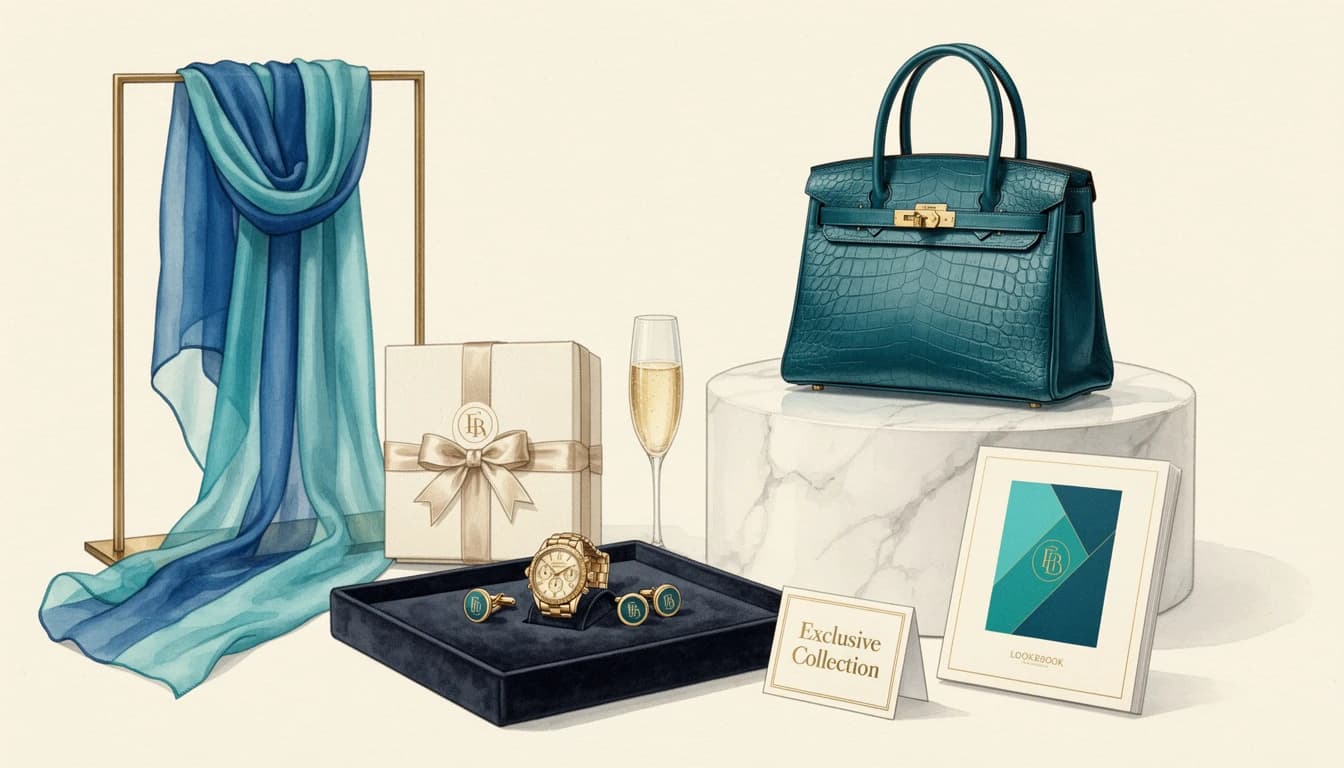
Luxury and jewelry e-commerce commands some of the highest average order values in online retail - often exceeding $300 per checkout, with peak months pushing past $400. But high price points come with high expectations. Shoppers spending $500 on a cashmere coat or $800 on a designer handbag expect a cart experience that matches the product's prestige - and that demands cart strategies built for luxury. (For jewelry-specific tactics, see our guide on how jewelry stores can use cart upsells to increase order values.)
The disconnect is common: a brand spends months perfecting product photography, sourcing premium materials, and crafting brand storytelling - only to funnel customers through a generic, utilitarian cart. For luxury brands, the cart isn't just a checkout step. It's the final impression before a purchase decision, and it needs to feel as considered as the product itself.
Here's how to align your cart experience with a premium brand identity while growing average order value.
Cart Addons That Feel Like White-Glove Service
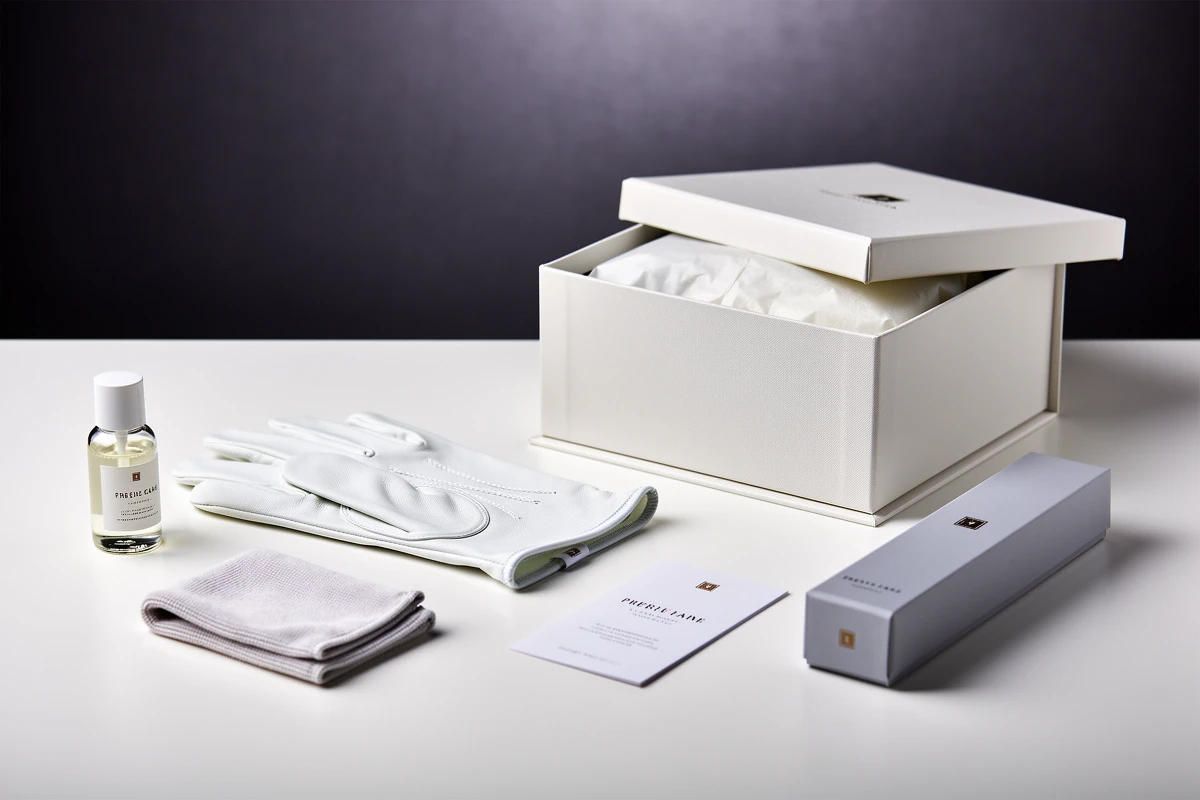
Physical luxury retail excels at service touches - alterations, monogramming, complimentary care products. Your online cart can replicate this through service-oriented addons that feel like attentive hospitality rather than upselling.
Effective service addons for premium brands include:
- Priority handling: Expedited processing or white-glove packaging for time-sensitive purchases
- Personalized engraving or monogramming: Initial stamping on leather goods, engraving on jewelry, or embroidered monograms on textiles
- Extended care packages: Leather conditioning kits, garment bags, jewelry polishing cloths
- Handwritten gift notes: A personal message card written by hand, not printed
The key distinction from mass-market addons is positioning. Instead of "Add gift wrapping for $5," luxury addons read more like "Include our signature care kit" or "Add personal engraving." The language signals service, not transaction.
Set up service addons through Cart Designer → Addons & Insurance, where you can configure up to two addons with custom product images and descriptions. For luxury brands, the image display style tends to work well - customers respond to seeing the actual care kit or packaging they'll receive. See our guide on setting up your first addon for a walkthrough.
Gift Wrapping and Personalization
Luxury purchases are frequently gifts - anniversary jewelry, birthday accessories, holiday indulgences. For gift-givers who won't be present at unboxing, the packaging becomes their expression of care.
Physical luxury stores provide elegant boxes, tissue paper, and branded bags as standard. Online buyers often receive functional but forgettable packaging. This is a gap you can close - and charge for.
Consider tiered presentation options:
- Signature packaging ($10-15): Branded box, tissue paper, and ribbon
- Premium presentation ($25-40): Keepsake box, satin ribbon, branded dust bag, and gift card enclosure
- Bespoke experience ($50-75): Hand-assembled gift set with personalized note, wax seal, and luxury wrapping
Tiering lets customers self-select based on the occasion. A $200 birthday bracelet might call for signature packaging, while a $1,200 anniversary necklace justifies the bespoke option. Offering gift wrapping also tends to encourage purchase completion - over 60% of consumers say they're more likely to buy from a store that provides wrapping services, and stores with strong gifting options consistently outperform average conversion benchmarks.
Gift wrapping works naturally as a 1-Click Addon in the cart. Pair it with a gift message option through a Custom HTML section for a more complete gifting experience. For inspiration on high-margin addon ideas, see our creative addon guide.
Trust Signals That Fit a Luxury Cart
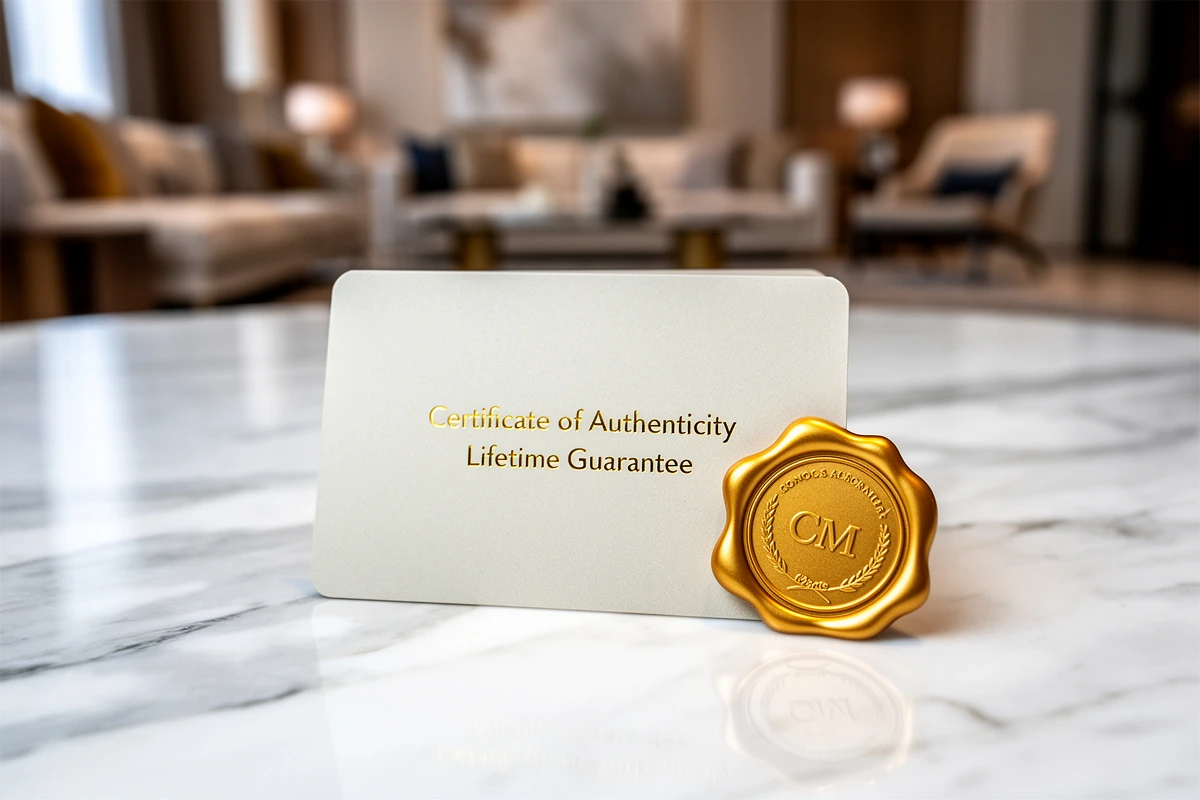
Trust signals matter more at higher price points - but luxury brands need a different approach than the typical stack of security badges. A cart plastered with Norton seals and "100% SECURE" banners in bold red undermines the refined aesthetic that drew the customer in.
For premium brands, trust elements should be present but understated. Our deep dive on trust badges and their impact on conversions covers the psychology behind this - here's how to adapt those principles for a luxury audience:
- Authenticity guarantee: A simple line like "Certificate of authenticity included with every order" addresses counterfeiting concerns without shouting
- Concierge support: "Questions? Our concierge team is here to help" signals white-glove service
- Return confidence: "Complimentary 30-day returns" works better than "MONEY BACK GUARANTEE!!!"
- Payment security: Showing recognized payment provider icons (Visa, Mastercard, Apple Pay, Shop Pay) provides reassurance without heavy-handed messaging
Configure these elements through Cart Designer → Trust Badges, where you can enable payment provider icons, custom trust text, and a trust badge image. For luxury stores, keep the trust text concise and refined - something like "Authenticity guaranteed · Free returns · Concierge support" rather than promotional-sounding claims. Adjust the text color to a muted tone that complements your cart's palette rather than competing with it. Our Trust Enhancers guide covers the full setup.
You can also use a Custom HTML section to add a discreet authenticity badge or certification logo that matches your brand typography - far more elegant than a generic security seal.
High-Threshold Reward Bars That Match Luxury Price Points
Standard reward bars often feel discount-driven: "Spend $15 more for free shipping!" works for a $40 average order, but it reads as bargain-hunting when your average order is $350. Luxury customers aren't motivated by saving a few dollars - they're motivated by exclusivity, experience, and service upgrades.
The solution is setting reward thresholds that align with your price points and offering rewards that feel premium rather than promotional. (For the full breakdown of how progress-based rewards drive spending, see how a reward bar drives higher average order values.)
For a brand with a $300-400 average order value, consider:
- First tier ($250): Complimentary express shipping - frames it as a service perk, not a discount
- Second tier ($500): A curated care product or accessory included with the order
- Third tier ($750+): A signature gift - perhaps a branded leather pouch, silk scarf, or exclusive sample
The language matters as much as the thresholds. Instead of "You're $50 away from FREE shipping!", try "You're $50 from complimentary express delivery." Adjust your reward bar text in Language & Translations to match your brand voice.
Configure reward tiers through Cart Designer → Rewards & Free Shipping, where you can set up to three progressive rewards with custom thresholds. Choose between free shipping, discounts, or gift products for each tier. For luxury brands, gift product rewards tend to feel most premium - customers receive something tangible that reinforces the brand experience. See our reward bar setup guide for step-by-step configuration.
Design the bar itself to match your aesthetic. Customize the bar colors to align with your brand palette - muted golds, deep navies, or neutral tones tend to fit luxury branding better than bright, attention-grabbing gradients.
Curated Product Suggestions Over Generic Recommendations
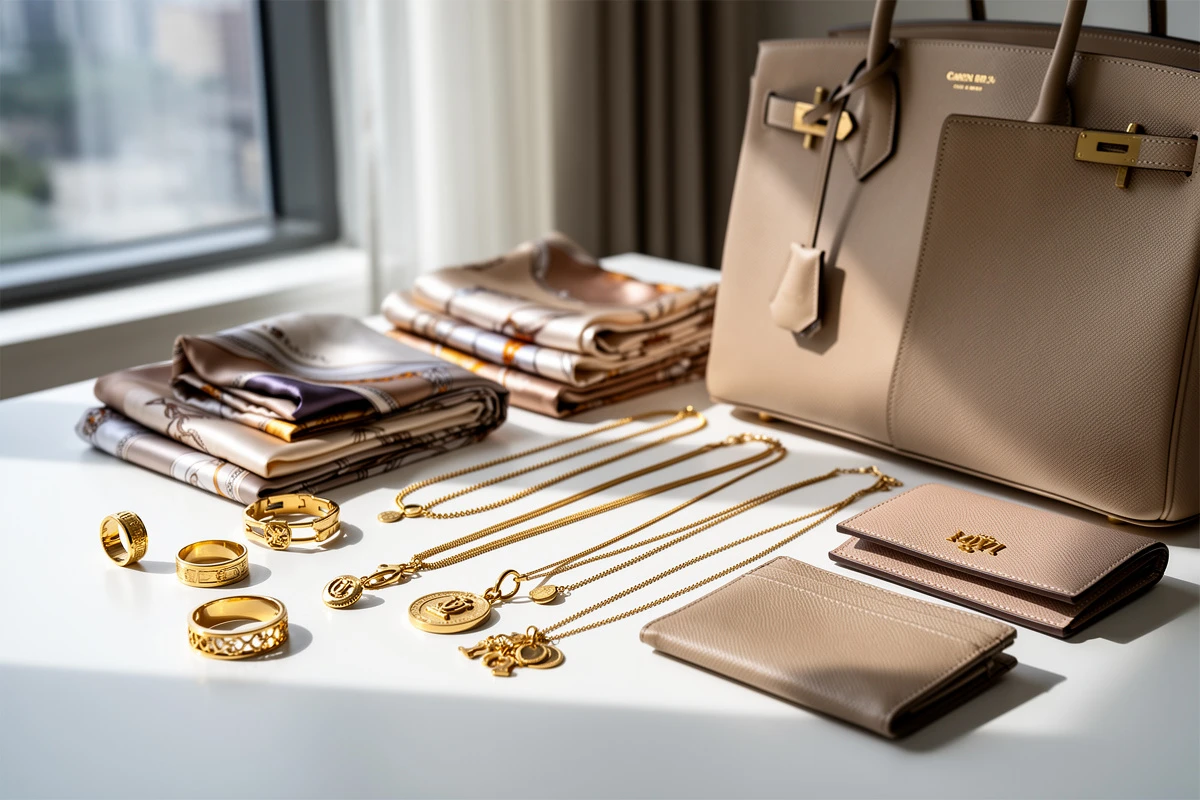
Luxury customers respond to curation, not algorithms. "Customers also bought" feels mass-market. "Complete your collection" or "Styled to complement your selection" feels considered and personal.
Product suggestions in the cart should feel like a knowledgeable stylist's recommendation:
- Within collections: Show the matching earrings when someone adds the necklace from the same line
- By material or finish: If the cart contains rose gold, suggest other rose gold pieces
- Occasion pairing: Wedding dress buyers might appreciate jewelry, shoes, or accessories styled for the same occasion
- Care and maintenance: Suggest protective sprays for leather goods or storage solutions for fine jewelry
Set up curated suggestions through the Upsells section, where you can create flows triggered by specific products or collections. Use the Gallery display type with clean, image-forward presentations - luxury products sell visually. Customize the upsell heading to something that fits your brand voice, like "Complete Your Look" or "Curated for You."
For brands with larger catalogs, EliteAI can intelligently recommend products based on actual purchase patterns in your store, filling gaps where manual flows don't cover every product combination. This works particularly well as a complement to your curated flows - learn more about how AI-powered upsells outperform manual recommendations.
Implementation Priorities
If you're refining your cart experience for a luxury audience, start with the changes that have the most immediate impact:
- Update trust signals: Replace generic badges with understated, brand-aligned trust elements
- Add gift wrapping as an addon: High take rate during gifting seasons, minimal inventory overhead
- Set appropriate reward thresholds: Align with your actual AOV - don't set thresholds that feel bargain-oriented
- Build curated upsell flows: Start with your top-selling products and their natural companions
- Refine all cart language: Review every piece of text in your cart for brand voice consistency
The cart is the last touchpoint before a customer commits. For luxury brands, every element - from the trust signals to the reward language to the product suggestions - should reinforce the same premium experience that brought the customer to your store. The goal isn't just higher average order values (though that follows naturally). It's ensuring that the purchasing experience feels worthy of the product inside it.