
How Outdoor and Adventure Brands Can Optimize Their Cart Experience
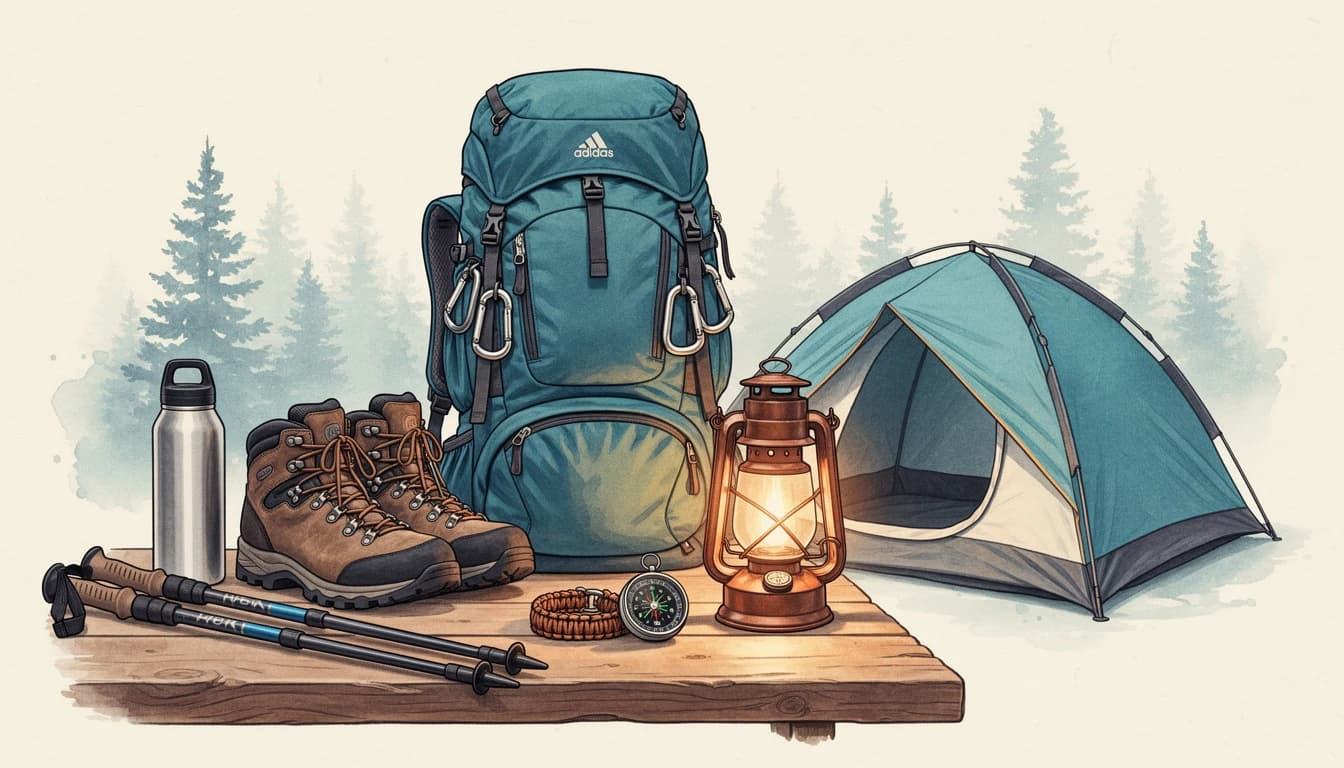
The outdoor recreation industry accounts for nearly $700 billion in GDP annually in the United States alone. As more of that spending moves online, outdoor and adventure brands face a specific challenge: customers often buy a single piece of gear and leave without the accessories, care products, or complementary items that would make their purchase complete.
Unlike impulse-driven categories, outdoor shoppers tend to research heavily before buying. They know which tent or backpack they want. But they frequently overlook the smaller items that round out a trip - and that's where optimizing your cart experience becomes a genuine revenue opportunity.
Gear Accessory Upsells: Complete the Kit
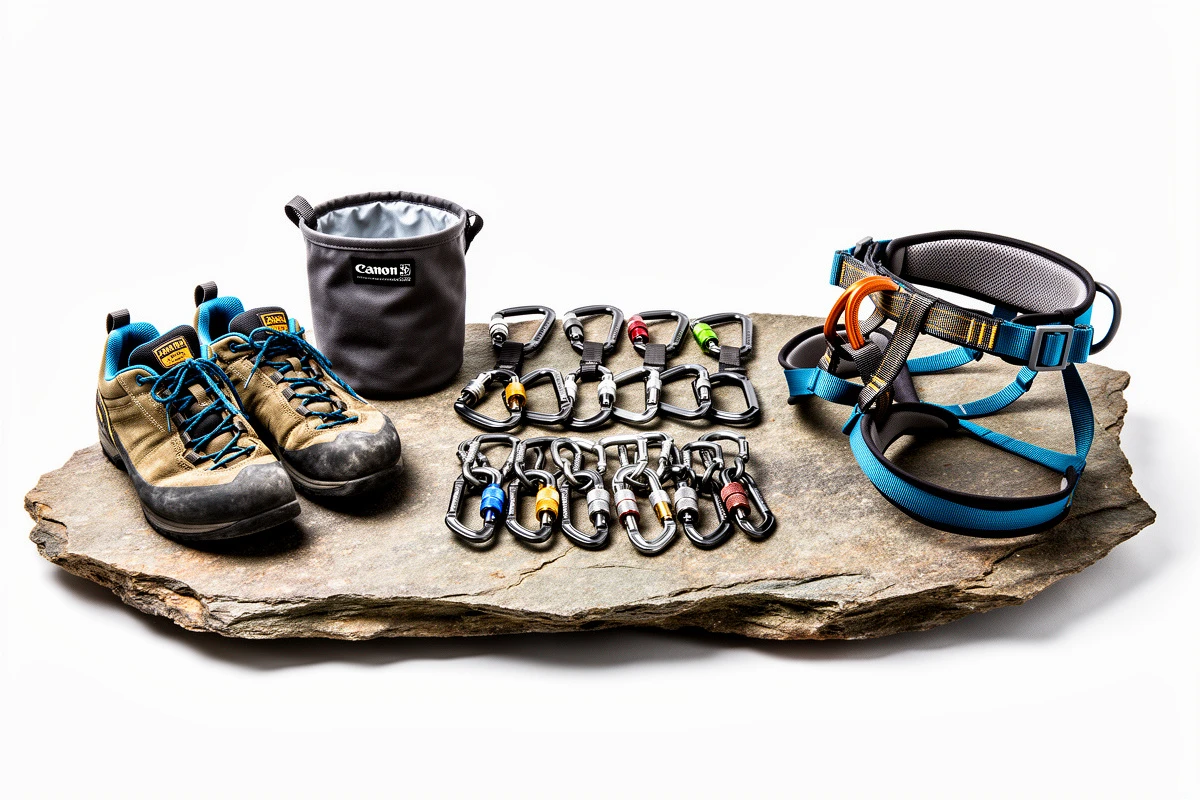
Outdoor gear has natural product pairings that customers genuinely need. A backpack without carabiners, a stove without fuel canisters, or a tent without a footprint is an incomplete purchase. The best upsell strategies for outdoor brands lean into these logical pairings rather than pushing unrelated products.
Product Pairings That Work
Think about what your customers will need at the trailhead or campsite:
- Backpacks → Carabiners, rain covers, hydration bladders, compression sacks
- Camp stoves → Fuel canisters, windscreens, lightweight cookware
- Tents → Footprints, seam sealer, guyline tensioners, extra stakes
- Hiking boots → Moisture-wicking socks, insoles, waterproofing spray
- Climbing harnesses → Chalk bags, belay devices, locking carabiners
These pairings feel helpful because they genuinely enhance the primary purchase. A customer spending $200 on a backpack will often add a $12 rain cover without hesitation - it's practical, affordable, and solves a real problem.
Setting Up Accessory Flows
Create upsell flows that trigger based on specific products or collections in the customer's cart. Navigate to Upsells in your EliteCart dashboard to configure these conditional recommendations.
For example, set a flow that triggers when any product from your "Backpacks" collection is in the cart, then recommend your top-selling carabiners, rain covers, and hydration accessories. A separate flow for camp stoves would show fuel canisters and cookware. This approach ensures recommendations are always relevant to what the customer is actually buying.
The Gallery of 3 display type works particularly well for outdoor gear - products like carabiners and fuel canisters are visually distinct, and a grid layout lets customers scan options quickly. Configure this through Cart Designer → Upsells → Display and position.
For stores with large catalogs, AI-powered recommendations can supplement your manual flows by suggesting relevant products when no specific flow matches the cart contents.
Care Product Addons: Small Items, Strong Margins
Care and maintenance products are the ideal addon category for outdoor brands. They're inexpensive, universally useful, and carry strong margins. A $8 bottle of waterproofing spray added to a $250 jacket order barely registers as an additional expense - but at scale, these small additions meaningfully increase your average order value.
High-Converting Care Addons for Outdoor Stores
The best care product addons share three traits: they protect an expensive purchase, they're consumable (driving repeat purchases), and they require no size or variant selection.
Strong candidates include:
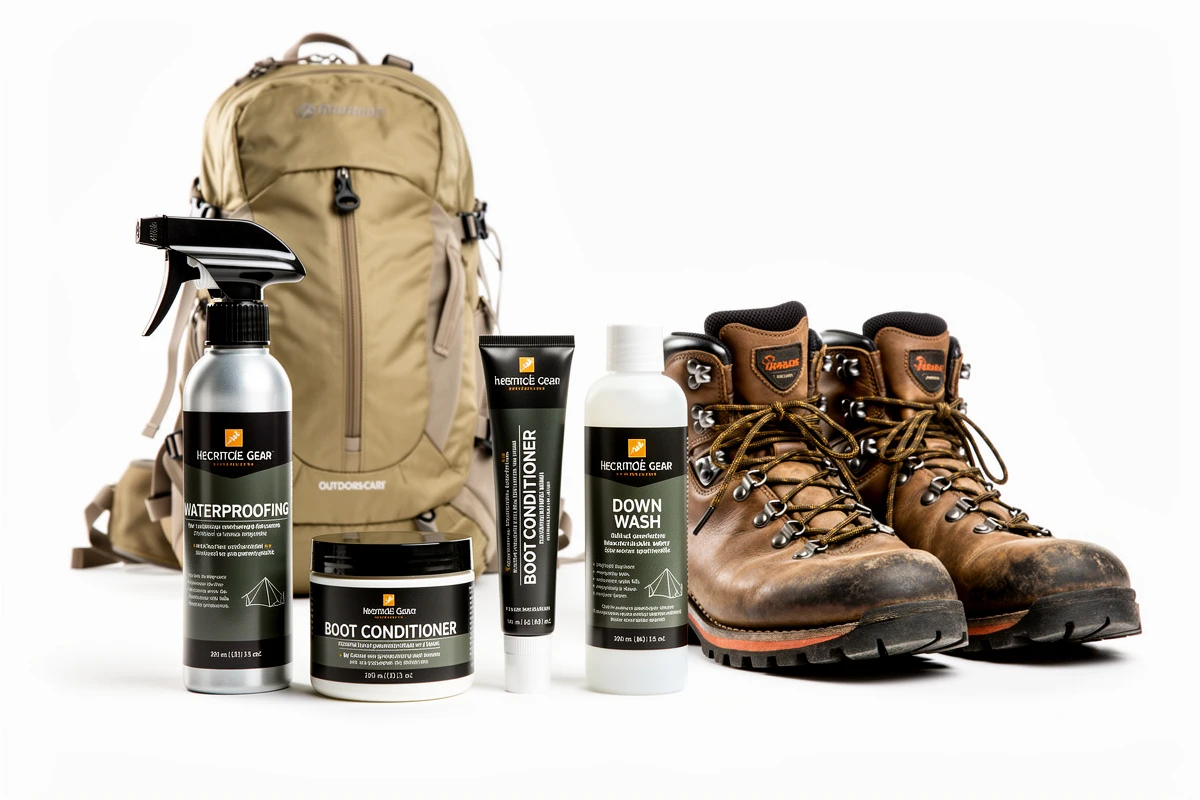
- Waterproofing treatments for jackets, boots, and tents
- Gear repair kits (patch kits, seam sealer, zipper lubricant)
- Cleaning products for technical fabrics and down insulation
- Anti-chafe balms and blister prevention for footwear purchases
- Lens cleaning kits for sunglasses and goggle orders
Configuring Care Product Addons
1-click addons work perfectly for care products because the purchase decision is simple - no variant selection needed. If you're new to addons, our guide on 1-click addons as a revenue stream covers the strategy in depth. Set up addons through Cart Designer → Addons & Insurance. You can configure up to two addons simultaneously.
For outdoor stores, the checkbox or toggle display styles tend to convert well. Use descriptive text that communicates the benefit: "Protect your investment - add waterproofing spray" works better than just listing the product name. The addon appears as a simple one-click option in the cart, keeping friction low.
If you sell shipping insurance as a percentage-based addon, pair it alongside a care product addon. Customers spending $300+ on technical gear are often receptive to both - protection during shipping and protection during use.
Seasonal Reward Bar Campaigns: Drive Clearance Thresholds
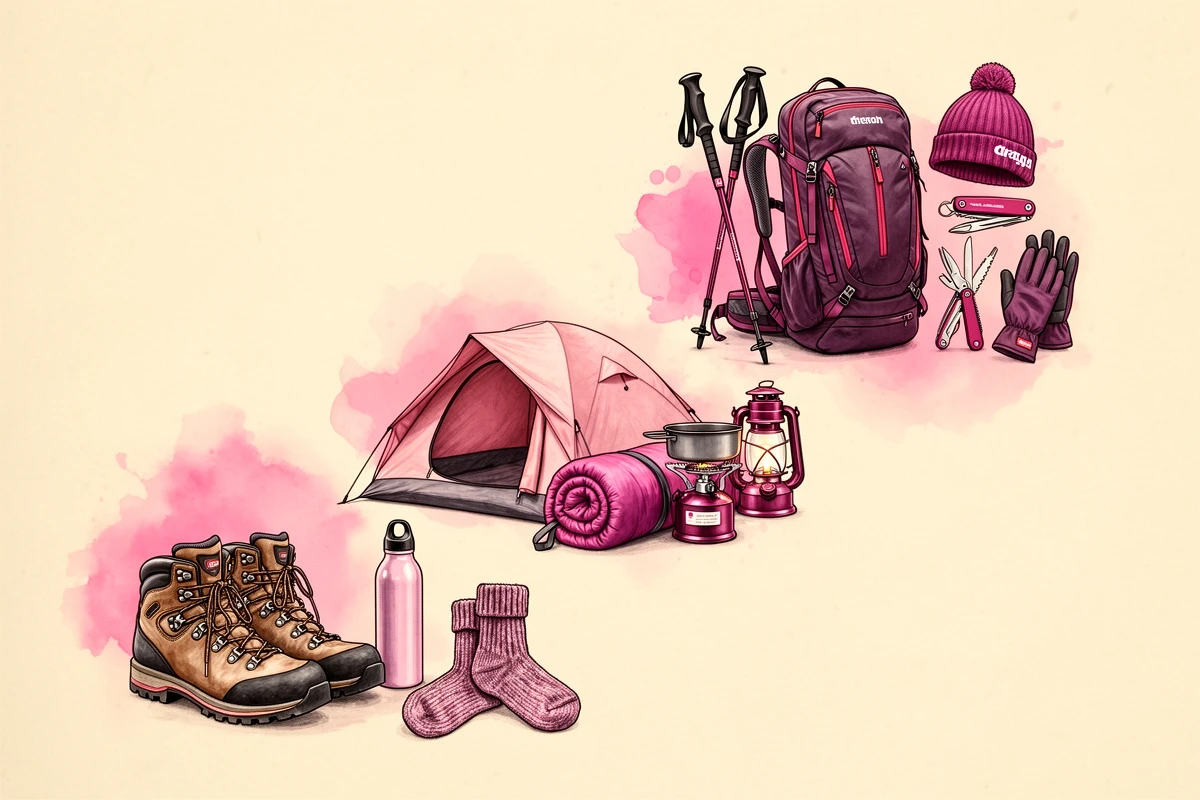
Outdoor retail is deeply seasonal. End-of-season clearance is a fact of life - winter gear needs to move before spring, and summer equipment gets marked down in fall. The reward bar turns seasonal transitions from margin-eroding clearance events into strategic AOV drivers.
Why Seasonal Thresholds Work for Outdoor Brands
End-of-season clearance sales can recover a significant portion of the cost of unsold inventory. But blanket discounts train customers to wait for sales. A reward bar with a spending threshold encourages customers to consolidate purchases - buying more items in a single order to hit the reward, rather than cherry-picking individual deals.
For example, instead of simply marking down winter jackets 30%, set a reward bar threshold at $150 that unlocks free shipping. A customer who came for a $120 clearance jacket now has motivation to add a $35 pair of clearance gloves to cross the threshold. You've moved two clearance items instead of one, and the customer feels rewarded rather than just bargain-hunting.
Multi-Tier Seasonal Reward Strategies
The reward bar supports up to three reward tiers, which maps well to seasonal campaigns:
- Tier 1 ($75): Free shipping on clearance orders
- Tier 2 ($150): 10% discount on the entire order
- Tier 3 ($250): Free gift product (a branded buff, water bottle, or sample-size care kit)
This tiered structure creates natural spending targets. A customer at $80 feels the pull toward $150. Someone at $160 considers whether a few more clearance items could get them to $250 and a free gift.
Set up your reward tiers through Cart Designer → Rewards & Free Shipping. Each tier can have a different reward type - mixing free shipping, discounts, and gift products across tiers creates varied incentives that appeal to different customer motivations.
Timing Your Campaigns
Outdoor brands can run seasonal reward bar campaigns during key transition periods:
- January - February: Winter gear clearance with aggressive thresholds to move inventory
- April - May: Spring promotions pushing early-season camping and hiking gear
- August - September: Summer clearance paired with back-to-school outdoor programs
- October - November: Pre-season winter gear with early-bird reward incentives
Adjust your reward thresholds based on seasonal AOV. Clearance periods have lower AOV, so set achievable thresholds - $75 to $150 rather than $200+. You can also schedule these campaigns in advance so they activate and deactivate automatically at the right time.
Combining Strategies for Outdoor Stores
These three approaches - accessory upsells, care product addons, and seasonal reward bars - work together naturally for outdoor brands. Consider a customer shopping your end-of-season tent clearance:
- They add a discounted tent to their cart
- The reward bar shows they're $40 away from free shipping
- Upsell recommendations suggest a tent footprint and extra stakes from the same clearance collection
- A 1-click addon offers seam sealer to protect their new tent
Each element serves the customer's actual needs while moving your inventory and increasing order value. The tent footprint extends the tent's lifespan. The seam sealer prevents leaks on their first trip. Free shipping makes the whole order feel like a better deal.
Positioning Elements in the Cart
Keep the cart experience clean by positioning each feature intentionally. Place the reward bar at the top so customers see their progress immediately. Position upsells below line items so customers review their cart first, then see complementary suggestions. Addons sit near the order summary as a final, low-friction addition.
In EliteCart, configure upsell position through Cart Designer → Upsells → Display and position. "Below line items" works well for most outdoor stores - it lets customers confirm their primary purchase before seeing recommendations.
Measuring Your Cart Performance
Track these metrics to optimize your outdoor store's cart strategy (for a deeper dive, see our guide on cart analytics and what to measure):
- Upsell acceptance rate by flow - Which product pairings convert best? Fuel canisters with stoves likely outperform generic recommendations
- Addon attach rate - If care product attach rates are low, test different products or messaging
- Reward bar threshold completion - Are customers reaching your thresholds, or are they set too high?
- Average order value during clearance - Compare AOV with and without active reward bar campaigns
Start with the strategy closest to your current inventory challenge. If you're heading into clearance season, launch a reward bar campaign first. If your catalog has strong natural product pairings, set up accessory upsell flows. Build from there, testing and refining based on what your customers respond to.
The outdoor customer is already committed to their adventure. Your cart experience should make it easy for them to prepare properly - and every carabiner, fuel canister, and waterproofing spray they add makes their trip better and your business stronger.