
Cart Strategies for Skincare and Beauty Brands Beyond Makeup
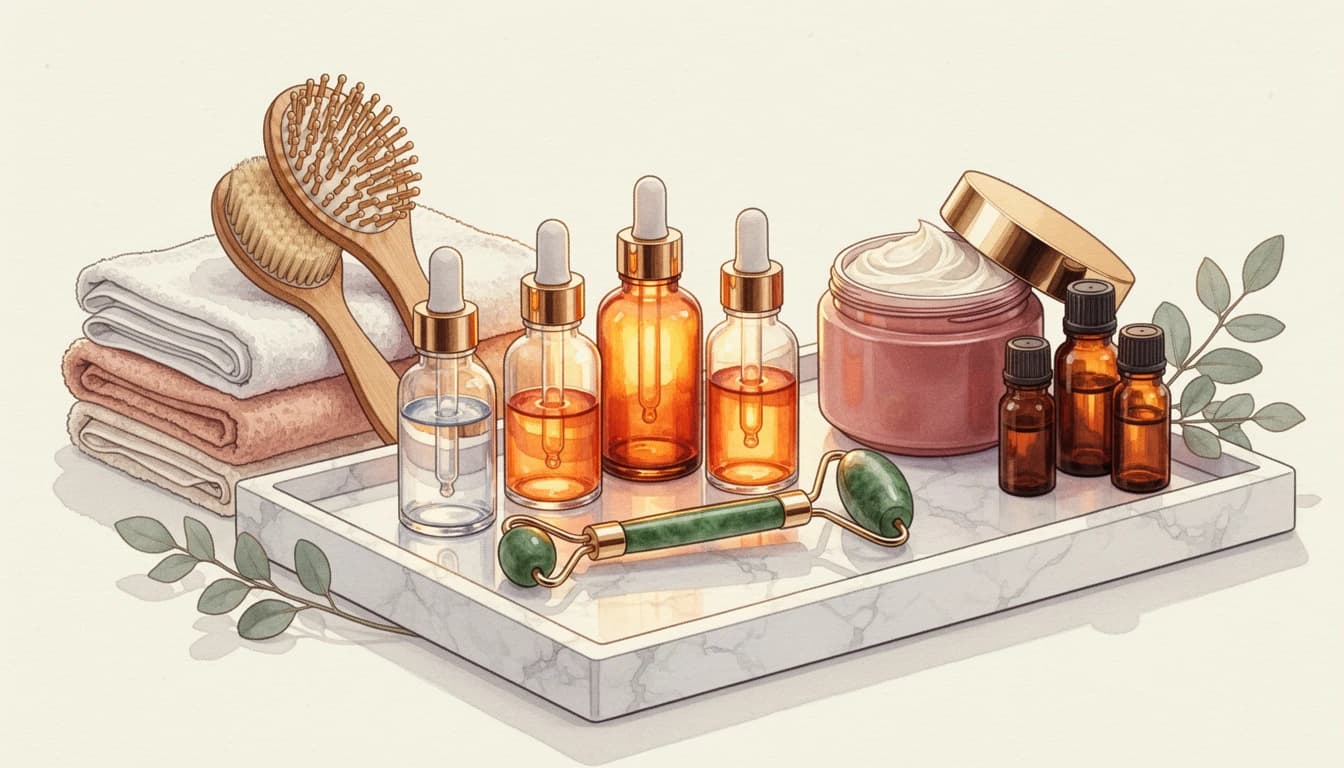
The global skincare market is projected to reach over $190 billion in 2026, with online sales growing faster than any other distribution channel. Yet most skincare brands selling on Shopify still treat their cart like a simple checkout step. For products built around daily routines, replenishment cycles, and personalized concerns, the cart is where your highest-intent customers are ready to discover what else they need.
Unlike makeup, where purchases tend to be color-specific and occasion-driven, skincare buying follows patterns: routines, regimens, and replenishment. That makes cart strategies for skincare and beauty brands fundamentally different. Here are the approaches that work.
Skincare Sample Addons That Lower Purchase Risk
Skincare customers are cautious. A $60 serum is a commitment when you don't know how your skin will react. Offering trial or deluxe sample sizes as one-click addons directly in the cart removes that hesitation and introduces customers to products they might never have tried otherwise.
Effective sample addon strategies for skincare:
- Deluxe samples of new launches - Let customers try your latest serum or treatment for $5-10 alongside their regular order
- Travel sizes of bestsellers - A 15ml moisturizer addon for someone buying a full-size cleanser
- Single-use sachets at low price points - $2-3 addons that feel like a no-brainer impulse add
The key is pricing these low enough that adding them feels effortless. A $3 sample addon has almost no purchase resistance, and if the customer likes it, you've created demand for the full-size product on their next visit. According to Shopify, the probability of selling to an existing customer is 60-70%, compared to just 5-20% for new prospects - and samples are one of the lowest-friction paths to turn a single purchase into repeat buying.
With EliteCart, you can set up sample products as 1-click addons that appear in the cart with a single toggle for customers to add them. Learn more in our guide to 1-click addons.
Routine-Building Skincare Upsells
Skincare is sequential. Cleanser, then toner, then serum, then moisturizer, then SPF. Your customers know this - but they don't always buy the full routine in one visit. Routine-based upsells meet customers where they are and nudge them toward completeness.
Build Flows Around the Routine
The most effective approach is to map your product catalog to routine steps and create upsell flows that fill in the gaps:
- Customer adds a cleanser → suggest your toner and moisturizer
- Customer adds a serum → suggest the cleanser that preps skin for absorption, plus the moisturizer that seals it in
- Customer adds SPF → suggest the antioxidant serum that pairs with sun protection
This isn't random cross-selling. It's helping your customer build a complete regimen - and the cart is the perfect place for this conversation because they've already committed to the first step.
Use Headings That Reinforce the Routine
Generic upsell headings like "You may also like" miss the mark for skincare. Instead, use language that speaks to the routine: "Complete your routine," "Your next step," or "Pair with your cleanser for best results." You can set a default upsell heading in Cart Designer → Upsells → Heading and subheading, or set flow-specific headings when creating individual upsell flows.
Subscription Upgrades for Daily-Use Products
Skincare products run out. Cleanser, moisturizer, and SPF are daily essentials that need regular replenishment. Yet many brands only offer subscribe-and-save options on the product page - where customers are still deciding whether to buy at all.
The cart is where purchase intent peaks. When a customer has already added their daily moisturizer, showing a subscription upgrade with 10-15% savings addresses the inevitable reorder before they've even checked out. One click converts a one-time purchase into recurring revenue.
Focus subscription prompts on products with predictable usage cycles:
- Daily cleansers and moisturizers - 30-60 day replenishment
- SPF products - Consistent daily use, especially in warmer months
- Treatment serums - Ongoing use for visible results
- Body lotions and hand creams - High-frequency consumables
Keep the offer simple: a clear savings percentage and an easy frequency selector. Customers who subscribe early have higher lifetime value and lower churn than those you try to convert through post-purchase emails later.
For a deeper dive into this strategy, see our article on subscription upgrades in the cart.
Personalized Recommendations by Skin Type
Not every product works for every customer. Suggesting a heavy cream moisturizer to someone with oily skin - or a mattifying toner to someone with dry, sensitive skin - erodes trust. Skincare upsells need to be relevant to the customer's specific concerns.
Organize Products Into Skin Type Collections
The foundation of personalized skincare upsells is organizing your Shopify catalog with intention. Create collections based on skin types or concerns:
- Oily / Acne-Prone - Lightweight, non-comedogenic formulas
- Dry / Sensitive - Rich, barrier-supporting products
- Combination - Balanced formulations
- Anti-Aging - Retinol, peptides, and firming products
- Brightening - Vitamin C, niacinamide, and exfoliating products
Then build upsell flows triggered by these collections. When a customer adds a product from your "Oily / Acne-Prone" collection, they see upsells pulled exclusively from that same collection - ensuring every recommendation matches their skin type.
This approach works because Shopify smart collections can automatically categorize products by tags, and upsell flows can trigger based on those collections. The result is personalization without manual curation for every product. For guidance on setting this up, see our article on choosing the right upsell products.
Let AI Fill the Gaps
Even with well-organized collections, you won't have manual upsell flows for every product combination. EliteAI automatically generates personalized recommendations based on what other customers with similar carts have purchased. This means even niche products - a specialized eye cream or a targeted spot treatment - get relevant suggestions without manual setup.
AI recommendations work alongside your manual flows, filling in when no specific flow matches and extending flows that have fewer products configured. For a deeper look at why this hybrid approach works, read our article on how AI-powered upsells outperform manual recommendations. You can also learn how to combine AI and manual flows in our help center.
Visual Display for Image-Driven Products
Skincare purchasing is heavily visual. Customers want to see the texture, the packaging, the aesthetic. A text-heavy upsell card with just a product name and price undersells the experience.
Use a gallery display for skincare upsells to let product imagery do the selling. Gallery layouts show larger product images in a grid format, which works particularly well for brands with clean, consistent product photography. A gallery of three products is the recommended starting point - enough variety without overwhelming the cart. For more on how image choices in the cart affect buying behavior, see our guide to smart image display and its impact on purchase decisions.
For brands with distinct product lines (a vitamin C range, a hydration line), you can also show variant-specific images so customers see the exact product shade or formulation, not just a generic product shot.
Configure these options in Cart Designer → Upsells → Display and position.
Reward Bars That Drive Larger Skincare Orders
A progress bar showing "You're $15 away from free shipping" is effective for any e-commerce store. But for skincare brands, you can make it work harder by setting reward thresholds that align with routine pricing.
If your average cleanser is $28 and your moisturizer is $34, a free shipping threshold at $60 encourages customers to buy both. A free deluxe sample at $80 nudges them toward adding a serum. Tiered rewards create natural price anchors that map to your product ecosystem.
You can configure up to three reward tiers in Cart Designer → Rewards & Free Shipping - mixing free shipping, discounts, and free gift products to create a progression that motivates larger orders. Our article on how a reward bar drives higher average order values covers the psychology behind this in detail, and you can find step-by-step setup instructions in our reward bar setup guide.
Skincare brands have a natural advantage when it comes to cart optimization: your products are designed to work together. Every cleanser implies a toner. Every serum calls for a moisturizer. Every daily product creates a subscription opportunity. The brands that translate these relationships into their cart experience - through routine-based upsells, skin-type-specific recommendations, and low-friction sample addons - capture more of the value that's already sitting in their customer's intent.
Start with one strategy that fits your catalog. Build a routine-based upsell flow for your bestselling cleanser, add a sample-size addon, or set up collection-based triggers for your top skin type. Small, focused changes compound into meaningful revenue growth.